

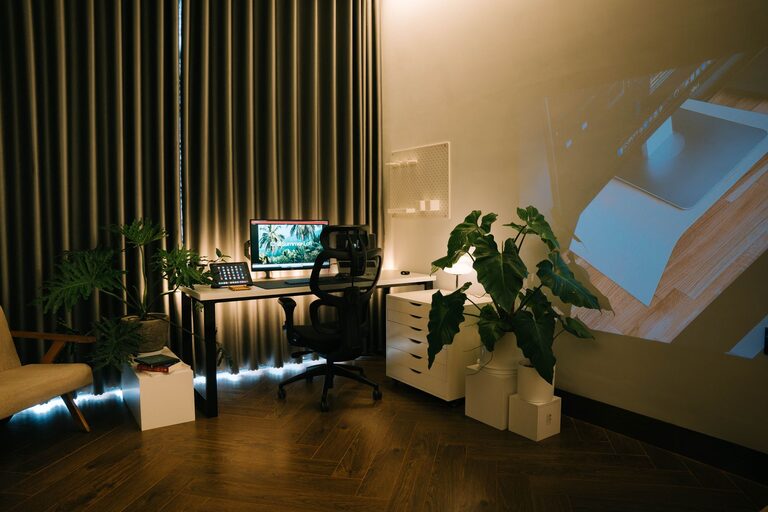
Creating a relaxing home workspace is essential for maintaining productivity and well-being, especially when working remotely. The right environment can help reduce stress, increase focus, and make your workday more enjoyable. Whether you have a dedicated room or a small corner, transforming your space into a calming and efficient area is possible with some thoughtful planning. This guide will walk you through easy and practical steps to create a relaxing home workspace.
Why a Relaxing Workspace Matters
A cluttered or noisy environment can make it difficult to concentrate and increase feelings of stress. On the other hand, a well-designed workspace promotes a sense of calm and helps you stay motivated. A relaxing home office can:
– Improve productivity and focus
– Reduce stress and anxiety
– Encourage a healthy work-life balance
– Enhance creativity and problem-solving
Choosing the Right Location
Start by selecting the best spot for your workspace. Ideally, this should be a quiet area with minimal distractions. Consider the following:
– Natural light: Choose a location near a window to benefit from natural daylight, which can boost mood and energy.
– Noise levels: Find a quiet corner or room, away from common household noises. Using noise-canceling headphones or white noise machines can also help.
– Space: Ensure you have enough room for your desk, chair, and any supplies you need without feeling cramped.
Setting Up Your Desk and Chair
Your furniture plays a big role in comfort and productivity.
Desk Tips
– Opt for a desk with enough surface area for your computer, notebooks, and other essentials.
– Keep the desk clean and organized with cable management solutions to avoid clutter.
– Consider a standing desk or an adjustable desk converter to change positions throughout the day.
Chair Choices
– Invest in an ergonomic chair that supports your back and encourages good posture.
– Adjust the chair height so your feet rest flat on the floor and your elbows form a 90-degree angle when typing.
– Use cushions if extra support is needed.
Organizing Your Workspace
Clutter can cause anxiety and distract from work. Keep your area tidy with these tips:
– Use storage boxes, drawers, or shelves to keep supplies organized.
– Limit items on your desk to essentials only.
– Set a daily or weekly routine to tidy your workspace.
Adding Calming Elements
Incorporate elements that promote relaxation and reduce stress:
– Plants: Adding greenery like succulents or small potted plants can improve air quality and create a soothing atmosphere.
– Lighting: Use a combination of natural light and soft artificial lighting. Avoid harsh overhead lights; desk lamps with adjustable brightness can help.
– Colors: Choose calming colors like soft blues, greens, or neutrals for your walls and décor.
– Personal Touches: Include artwork, photos, or inspirational quotes that make you feel motivated.
Minimizing Distractions
Reducing interruptions helps maintain focus:
– Turn off unnecessary notifications on your devices.
– Use apps or browser extensions to block distracting websites during work hours.
– Communicate your work schedule to others in your household to minimize interruptions.
Incorporating Break Spaces and Movement
Taking breaks and moving around is crucial:
– Designate a small area for stretching or short breaks away from your desk.
– Use a timer or app to remind yourself to take regular breaks.
– Practice simple stretches or breathing exercises to relax muscles and reduce tension.
Maintaining Work-Life Balance
A relaxing workspace also supports healthy boundaries between work and personal life:
– Set clear working hours and stick to them.
– Avoid working in bed or on soft surfaces that can blur the line between work and rest.
– End your day by tidying up your workspace to signal that work is done.
Final Thoughts
Creating a relaxing home workspace can greatly improve your productivity, creativity, and overall happiness during the workday. By paying attention to location, comfort, organization, and calming details, you can build a space that supports both your professional goals and personal well-being. Start small and adjust your setup as needed—your perfect workspace is within reach!
—
With a bit of time and care, your home office can become your favorite space to work and unwind. Happy decorating!