

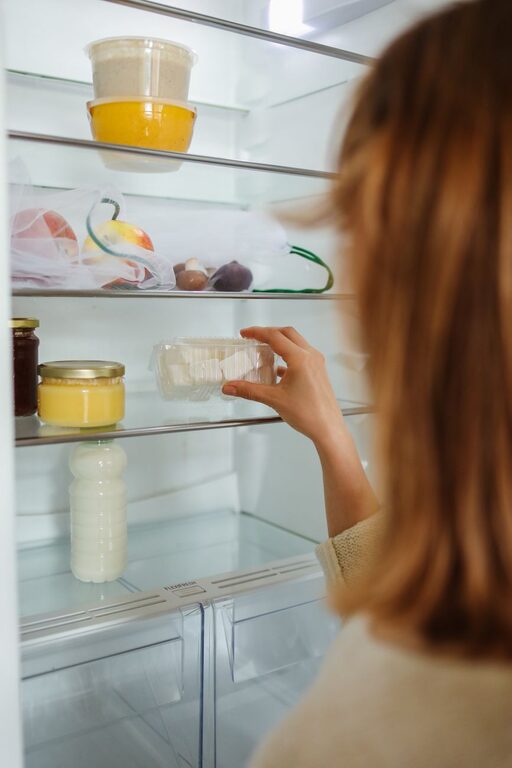
Keeping your fridge and pantry tidy is a great way to simplify your cooking routine, reduce food waste, and maintain a clean kitchen. An organized fridge and pantry make it easier to find ingredients quickly, plan meals efficiently, and avoid buying duplicates. Whether you’re starting fresh or just looking for some practical advice, these tips will help you keep your food storage areas neat and clutter-free.
Why Keeping a Tidy Fridge and Pantry Matters
A cluttered kitchen storage can lead to expired or forgotten food, creating waste and costing money. A well-organized space not only saves time but also promotes healthier eating by making fresh ingredients more visible and accessible. Plus, cleaning regularly helps prevent spills, bad odors, and pest issues.
—
How to Organize Your Fridge
1. Start With a Clean Slate
Before you begin organizing, remove everything from your fridge. Take this chance to wipe down shelves, drawers, and door compartments with a mild cleaning solution. This removes spills and bacteria, creating a fresh environment for your food.
2. Group Similar Items Together
Organize items by type to make them easier to find:
– Dairy (milk, cheese, yogurt)
– Meats and fish (store in the coldest part, usually the bottom)
– Fruits and vegetables (use designated drawers)
– Condiments and sauces (door shelves)
– Leftovers (in clear labeled containers)
3. Use Clear Containers and Labels
Clear containers help you see the contents at a glance. Label them with the date prepared or expiration date to keep track of freshness. Using uniform containers also maximizes space and keeps items from tipping over.
4. Store Foods at the Right Temperature
Knowing where to place foods in your fridge extends their life:
– Top shelves: Ready-to-eat foods like leftovers or drinks
– Middle shelves: Dairy products
– Bottom shelves: Raw meat and fish, stored on a plate or tray to catch drips
– Drawers: Fruits and vegetables
– Door shelves: Items less sensitive to temperature changes, like condiments and juices
5. Keep Frequently Used Items Accessible
Place everyday items at eye level for quick access. Less frequently used items can go on higher or lower shelves.
—
How to Organize Your Pantry
1. Empty and Clean Your Pantry
Like your fridge, start by removing all items and giving your pantry shelves a good wipe down. Check for expired goods and toss anything that’s no longer safe to consume.
2. Categorize Your Items
Sort pantry goods into categories such as:
– Grains and pasta
– Canned goods
– Baking supplies
– Snacks and cereals
– Spices and seasonings
– Oils and condiments
Keep these groups together for easy shopping and meal planning.
3. Use Containers and Bins
Transfer dry goods like flour, sugar, rice, and cereal into airtight containers. This keeps food fresh and prevents pests. Bins and baskets can group small items like snacks or spice packets, making them easier to grab.
4. Label Everything
Label containers and bins clearly to reduce confusion and speed up meal prep. This is especially helpful if you have family members or roommates sharing kitchen duties.
5. Arrange by Use and Size
Place frequently used items at eye level or in front. Store heavier items on lower shelves and lighter ones higher up. Group similar sizes together to maximize space.
6. Leave Some Space
Avoid overfilling shelves. Allowing some breathing room prevents items from toppling over and makes it easier to keep everything tidy.
—
Tips for Maintaining a Tidy Fridge and Pantry
1. Plan Weekly Clean-ups
Set aside a few minutes once a week to check freshness, wipe spills, and reorganize as needed. This regular upkeep prevents messes from building up.
2. Practice FIFO (First In, First Out)
Arrange new items behind older ones so you use older products first. This reduces waste and keeps your food rotating properly.
3. Keep a Running Inventory
Maintain a simple list of items in your pantry and fridge. This can be a note on your phone or a whiteboard on the fridge. It helps with grocery planning and prevents overbuying.
4. Use Door Organizers and Extra Shelving
If space is tight, consider adding door organizers or extra shelving units. These can help maximize vertical space and keep smaller items in place.
5. Avoid Storing Non-Food Items in the Pantry and Fridge
To keep your food storage areas hygienic, only store food and kitchen-related items in the pantry and fridge.
—
Final Thoughts
A tidy fridge and pantry make daily life easier and more enjoyable. By dedicating some time to organizing, cleaning, and labeling your food storage areas, you create a welcoming kitchen that encourages cooking and healthy eating. Remember, consistency is key! Regular maintenance is much easier than occasional deep cleans, and small habits can make a big difference.
Start today with one shelf or drawer and build your way to a fully organized kitchen space. Your future self will thank you!