

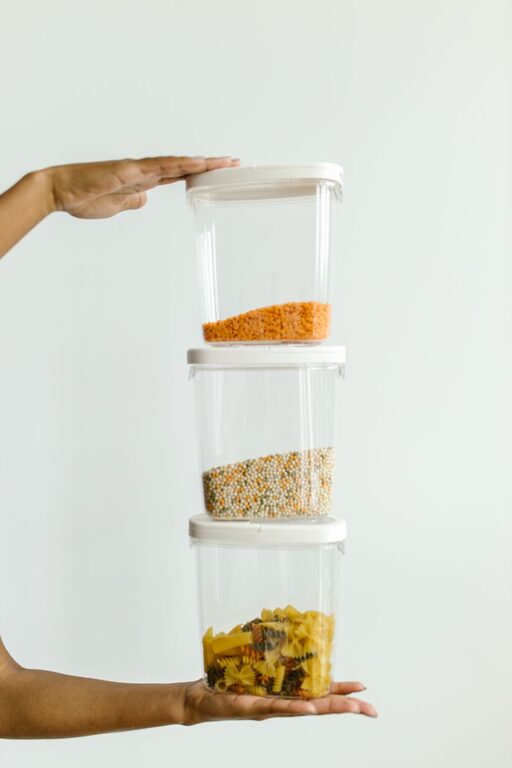
When it comes to cooking at home, having a well-stocked pantry is a true game-changer. Pantry staples are versatile ingredients that can form the foundation of countless meals without the need for frequent grocery trips. Learning how to plan meals around what you already have can save time, reduce food waste, and keep your kitchen budget-friendly. In this blog post, we’ll walk you through step-by-step tips on how to plan meals from pantry staples.
What Are Pantry Staples?
Pantry staples are essential non-perishable ingredients that many households keep on hand. These can include:
– Dry grains such as rice, pasta, and quinoa
– Canned goods like beans, tomatoes, and broth
– Baking essentials such as flour, sugar, and baking powder
– Oils, vinegars, and spices
– Nut butters, canned tuna, or dried fruits and nuts
By having a variety of these ingredients ready, you can mix and match to create delicious meals anytime.
Step 1: Take Inventory of Your Pantry
Before planning meals, start by taking a thorough inventory of your pantry. This will help you know exactly what you have and prevent duplicate purchases. Here’s a simple way to do it:
– Empty shelves or take photos of what you currently have.
– Group items by category: grains, canned goods, spices, etc.
– Check expiration dates and discard expired products.
– Note any frequently used items you are running low on.
Keeping a running list on your phone or a kitchen board can make it easier to update regularly.
Step 2: Get Inspired by Your Ingredients
Once you know what’s in your pantry, think creatively about what meals you can make using those staples. Some ideas include:
– Canned Beans and Rice: Combine for a hearty bean and rice bowl seasoned with spices and topped with fresh veggies.
– Pasta and Canned Tomatoes: Prepare a simple tomato sauce using canned tomatoes, garlic, and olive oil.
– Oats and Nuts: Make homemade granola or oatmeal for breakfast.
– Canned Tuna and Crackers: Mix tuna with mayo and spices for a quick sandwich or salad.
Use online recipe databases or apps where you can input ingredients and discover new recipes tailored to what you have.
Step 3: Plan Your Weekly Meals
Organizing your meals in advance can help you use pantry staples efficiently and reduce last-minute stress.
– Make a Meal Plan Template: Create a weekly chart for breakfast, lunch, dinner, and snacks.
– Assign Pantry Staples: Slot in meal ideas that use your staple ingredients.
– Balance With Fresh Ingredients: If possible, complement pantry meals with fresh produce or proteins.
– Plan for Leftovers: Consider recipes that yield leftovers to save cooking time on busy days.
A meal plan helps you shop smartly, avoiding unnecessary purchases.
Step 4: Stock Up on Versatile Staples
As you develop your routine, aim to maintain a pantry filled with versatile staples that support multiple dishes. Essential items include:
– Grains like rice, pasta, and couscous
– Variety of canned goods such as beans, tomatoes, and coconut milk
– Baking basics: flour, sugar, baking soda, yeast
– Cooking oils: olive oil, vegetable oil
– Herbs and spices: salt, pepper, garlic powder, paprika, dried herbs
– Condiments: soy sauce, mustard, vinegar
Having these on hand makes it easier to adapt recipes and try new flavor combinations.
Step 5: Tips for Storing Pantry Staples Properly
Proper storage extends the shelf life of your pantry staples and keeps food safe:
– Use airtight containers to store grains, flour, and sugar.
– Keep spices away from heat and sunlight to preserve flavor.
– Label containers with purchase or expiration dates.
– Rotate older items to the front so they’re used first.
– Store cans in a cool, dry place.
Good organization saves time and reduces waste.
Step 6: Keep It Simple with One-Pot or Sheet-Pan Meals
To make meal prep even easier, try recipes that require minimal pots and pans. One-pot dishes, like soups or stews made from canned beans, broth, and spices, are filling and easy to clean up. Sheet-pan meals can use pantry staples such as couscous or rice as a base along with roasted vegetables.
Sample Pantry-Based Meal Plan
Here’s an example of a simple meal plan using pantry staples:
– Breakfast: Oatmeal topped with dried fruit and nuts
– Lunch: Chickpea salad with canned chickpeas, olive oil, lemon juice, and herbs
– Dinner: Spaghetti with tomato sauce and canned mushrooms
– Snack: Peanut butter on crackers or toast
Feel free to customize based on your pantry and preferences.
Final Thoughts
Meal planning with pantry staples is a smart, sustainable way to cook delicious food while saving money and time. By organizing your pantry, getting inspired by your ingredients, and planning your meals thoughtfully, you’ll always have something tasty to eat—even when fresh groceries are limited. Start with small steps, and you’ll soon gain confidence creating meals from your pantry staples!
Happy cooking!